Wild Photography: Capturing Nature in Its Purest Form
There are moments in nature that feel impossible to describe.
The first light touching a mountain peak. A wild animal moving quietly through the forest. Mist drifting across a valley. Waves breaking against an empty shoreline.
Wild photography is about capturing these moments before they disappear.
It is not simply about taking beautiful photographs. It is about observing nature, being patient, and telling a story through images. Sometimes, the best photograph is not the most dramatic one—it is the one that makes you feel as though you were there.
What Is Wild Photography?
Wild photography is the art of photographing nature, wildlife, landscapes, and outdoor environments in their natural surroundings.
Unlike staged photography, there is very little control over what happens in the wild. Animals do not follow directions, weather can change without warning, and the perfect light may last only a few seconds.
That unpredictability is what makes it exciting.
Every outing becomes a new experience, even when you return to the same location.
The Beauty of Waiting
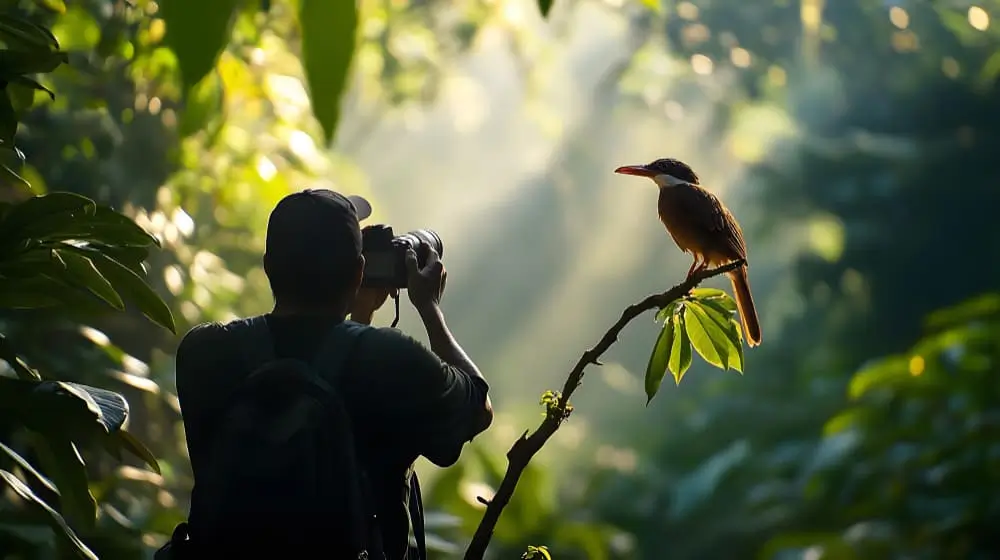
Good wildlife and nature photography often requires patience.
You may spend hours waiting quietly for an animal to appear, watching clouds move across a landscape, or waiting for the sunlight to reach the perfect angle.
It can feel like nothing is happening.
Then suddenly, everything comes together.
A bird takes flight. A deer steps into the clearing. Sunlight breaks through the clouds. A wave catches the morning light.
The photograph may take only a second to capture, but the patience behind it can last for hours.
Look Beyond the Obvious
When people think about wild photography, they often imagine dramatic landscapes and close-up wildlife portraits.
But nature has stories everywhere.
Look for:
-
Patterns in leaves and rocks
-
Reflections in rivers and lakes
-
Birds in flight
-
Animal footprints
-
Changing weather
-
Forest light and shadows
-
Small insects and plants
-
Human life connected with nature
Sometimes, focusing on the smaller details creates a photograph that feels more personal and unique.
India Through a Wild Photographer's Lens
India offers an extraordinary variety of landscapes and wildlife for photographers.
The forests of the Western Ghats, the mountains of the Himalayas, the backwaters of Kerala, the grasslands of central India, and the deserts of Rajasthan all offer completely different photographic experiences.
A sunrise over a quiet Kerala landscape can tell one story, while a tiger moving through a forest can tell another.
From wildlife and birds to mountains, rivers, forests, and coastlines, India provides endless opportunities for photographers who are willing to explore.
Photograph the Moment, Not Just the View
A great photograph does more than show a place.
It creates a feeling.
Instead of simply photographing a mountain, think about what makes that mountain special at that moment. Is it covered in morning mist? Is someone walking along the trail? Is the last light of the day touching its peak?
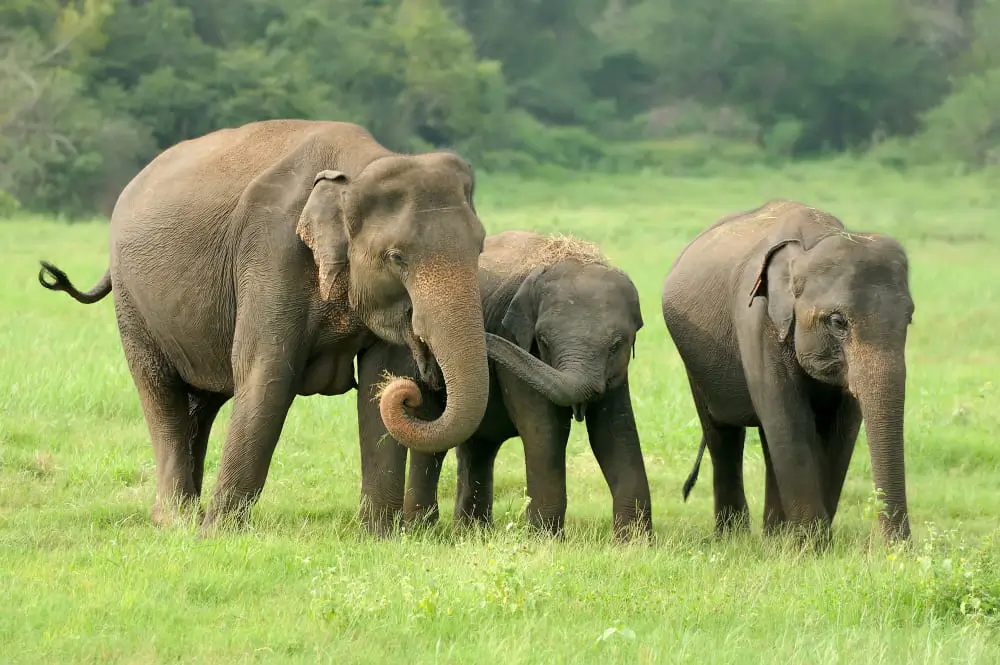
Instead of photographing an animal simply because it is there, observe its behaviour.
Is it searching for food? Watching its surroundings? Moving through the grass?
The story behind the photograph can make it much more powerful.
Learn to Work With Natural Light
Light is one of the most important elements in outdoor photography.
Early mornings and late afternoons often provide soft, warm light that can add depth and atmosphere to landscapes and wildlife photographs.
Overcast days can also be beautiful. Soft light reduces harsh shadows and can create a calm, moody atmosphere.
Rather than waiting for perfect weather, learn to photograph the conditions you have.
Rain, fog, clouds, and changing sunlight can turn an ordinary scene into something extraordinary.
Respect Wildlife
Wild photography should always begin with respect.
Animals should never be disturbed simply to get a photograph. Maintain a safe distance, avoid feeding or attracting wildlife, follow park and forest regulations, and listen to local guides and authorities.
A photograph is never more important than the wellbeing of an animal or the environment.
The best wildlife photographers are not only observers. They are responsible visitors.
Travel Light and Stay Ready
Wild photography often involves walking, trekking, and spending long periods outdoors.
Carrying too much equipment can make the journey difficult. A practical camera setup, extra batteries, memory cards, appropriate clothing, water, and basic outdoor essentials are often more valuable than carrying every piece of equipment you own.
Most importantly, keep your camera ready.
Nature does not wait for you to change lenses or adjust every setting.
The Journey Behind the Photograph
One of the most rewarding things about wild photography is that the photograph becomes a memory of the journey.
You remember the trail you walked, the rain you waited through, the silence of the forest, the guide who showed you a hidden location, or the sunrise you woke up before everyone else to see.
The final image is only part of the story.
The journey behind it is what makes it meaningful.
Photography as a Way of Seeing
Wild photography teaches you to slow down.
You begin to notice details that you might have ignored before. You listen more carefully. You observe movement, light, weather, and changing landscapes.
You stop rushing from one viewpoint to another and start paying attention to what is happening around you.
In that way, photography changes the way you travel.
You are no longer simply visiting a place.
You are learning to see it.
Capture. Connect. Preserve.
Nature changes constantly.
Landscapes evolve, seasons pass, wildlife habitats change, and moments disappear almost as soon as they happen.
Wild photography gives us a way to preserve a small piece of that experience.
But the goal should not simply be to capture nature.
It should be to connect with it.
So take the trail, wait for the light, listen to the forest, and keep your camera ready.
Because sometimes, the most powerful photograph is the one that reminds you how wild, beautiful, and fleeting the world can be.
Popular Posts
Some Places Don't Let You Leave
Aug 21, 2026