Wild Travel: Into the Untamed and Unforgettable
There is a different kind of freedom in leaving the familiar behind.
Wild travel is about stepping away from crowded cities, busy tourist attractions, and predictable itineraries to experience nature in its rawest form. It is about following mountain trails, walking through forests, crossing quiet landscapes, watching wildlife in its natural habitat, and waking up somewhere far removed from everyday life.
For travellers who crave adventure, the wild is not something to escape from. It is where the journey truly begins.
What Is Wild Travel?
Wild travel is more than simply visiting a national park or going on an adventure activity. It is about experiencing places where nature takes centre stage.
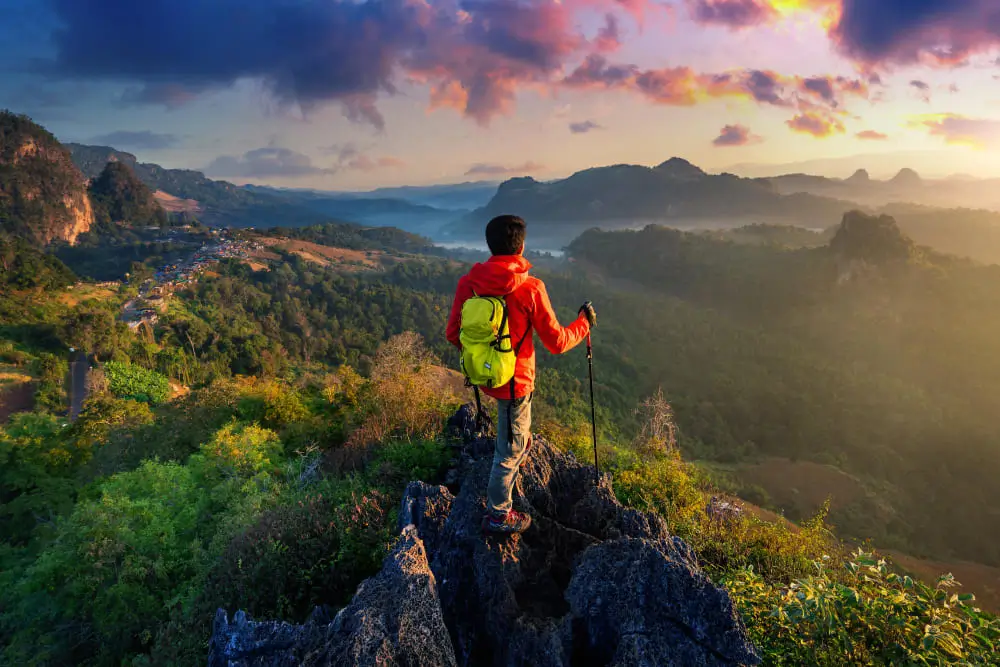
It could mean trekking through dense forests, camping beneath a sky full of stars, exploring remote villages, kayaking through untouched waterways, or travelling into the mountains where the roads become quieter and the landscapes become wider.
Wild travel leaves room for discovery. There is no guarantee of what you will see, who you will meet, or where the next path will lead.
And that is exactly what makes it unforgettable.
Leave the Ordinary Behind
Modern travel can sometimes feel predictable. We follow maps, check reviews, visit recommended attractions, and move from one destination to the next.
Wild travel offers a chance to step outside that routine.
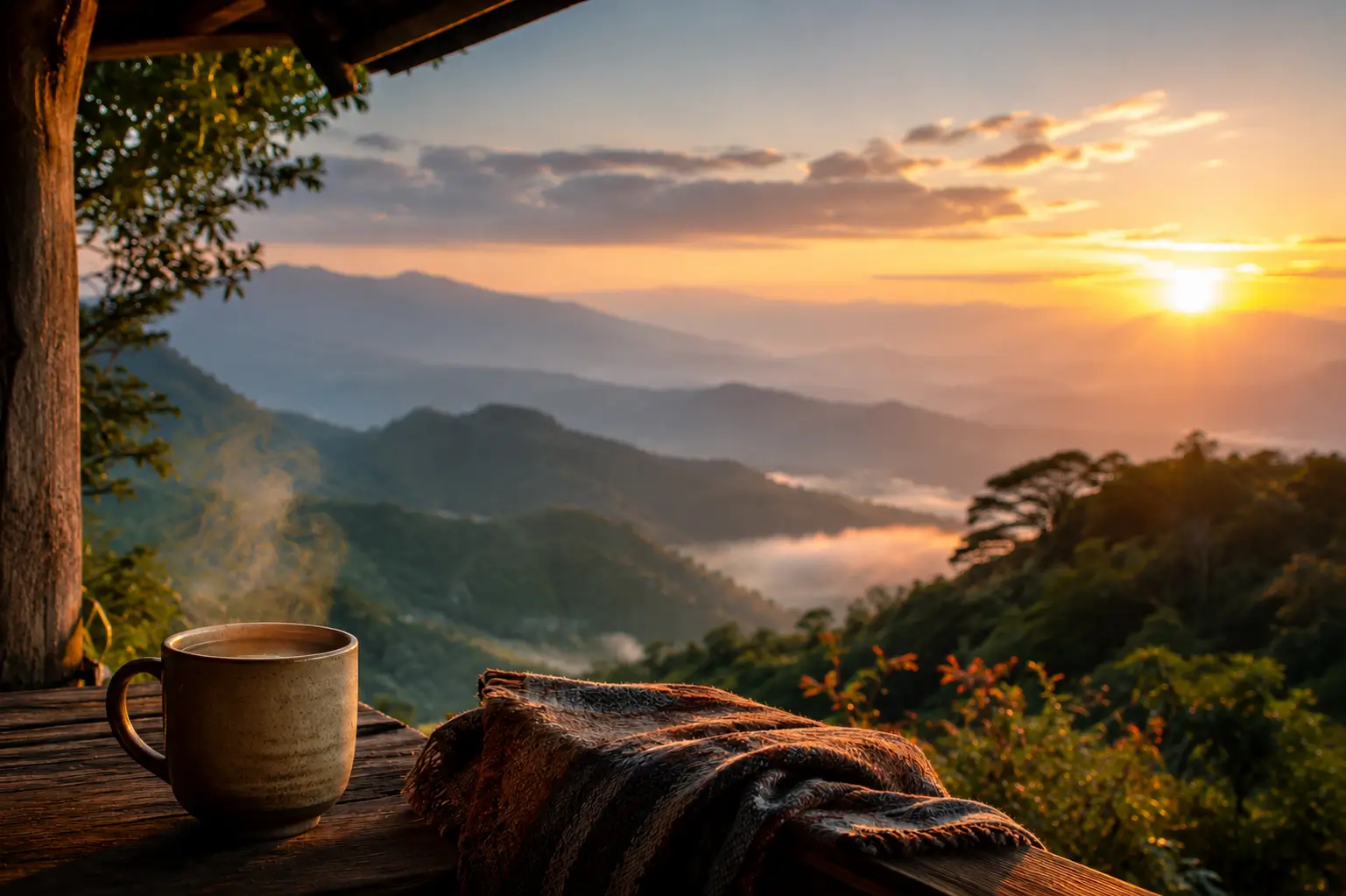
Imagine waking up to the sound of birds instead of traffic. Imagine walking along a forest trail with nothing but mountains ahead. Imagine sitting beside a river at sunset or watching clouds move across a remote valley.
These experiences remind us that travel does not always need to be busy to be exciting.
Sometimes, the quietest places create the strongest memories.
Discover the Wild Side of India
India is incredibly diverse when it comes to wilderness and adventure.
From the tropical forests and mist-covered hills of Kerala to the dramatic landscapes of the Himalayas, the country offers countless opportunities to experience nature.
The Western Ghats are home to lush forests, waterfalls, plantations, and rich biodiversity. The Himalayan regions offer trekking routes, high-altitude landscapes, valleys, and remote mountain communities.
Across the country, travellers can discover national parks, wildlife sanctuaries, forests, rivers, deserts, mountains, and coastlines that offer completely different adventures.
Every landscape tells a different story.
Adventure Beyond the Usual
Wild travel does not have to mean extreme adventure.
For some, it may be a challenging mountain trek. For others, it could be a peaceful walk through a forest, a kayaking trip, a camping weekend, or a wildlife safari.
The adventure is yours to define.
Some experiences to consider include:
-
Trekking through mountain and forest trails
-
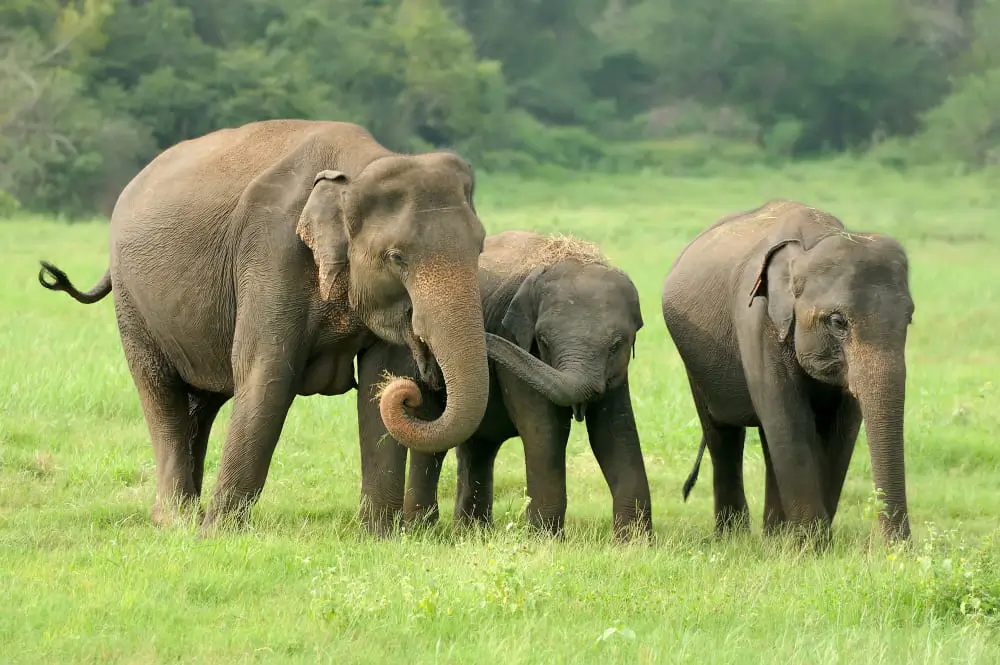
Wildlife safaris and nature walks
-
Camping beneath open skies
-
Kayaking and river adventures
-
Exploring waterfalls and hidden landscapes
-
Cycling through rural routes
-
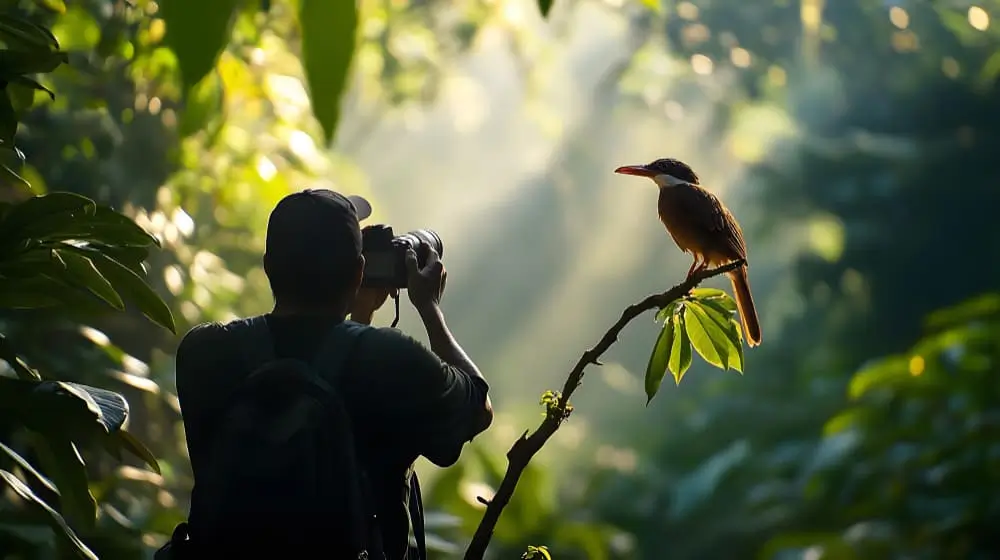
Birdwatching and photography
-
Visiting remote villages and communities
The goal is not to collect the most adventurous activities. It is to find experiences that make you feel connected to the place around you.
When Nature Becomes the Destination
In traditional travel, nature is often something we see between attractions.
In wild travel, nature becomes the attraction itself.
A forest is not simply a road to somewhere else. A mountain is not just a backdrop for photographs. A river is not merely something you cross.
They become part of the journey.
Spending time in nature allows you to slow down and notice things that are easily overlooked: changing light, animal tracks, distant sounds, changing weather, and the small details of the landscape.
The experience becomes less about sightseeing and more about being present.
Respect the Wild
The freedom to explore comes with a responsibility to protect.
Wild places are fragile, and responsible travel is essential to preserving them. Avoid leaving waste behind, respect wildlife from a safe distance, stay on designated trails where required, avoid disturbing natural habitats, and follow local guidelines.
Supporting local guides and communities can also help create sustainable tourism opportunities while giving travellers a deeper understanding of the destination.
The best wild travel leaves memories behind—not footprints that damage the places we came to experience.
Travel Outside Your Comfort Zone
One of the greatest rewards of wild travel is discovering what you are capable of.
A difficult trail may test your endurance. An unfamiliar environment may challenge your confidence. A change in weather may force you to adapt.
But with every challenge comes a sense of achievement.
You learn to trust yourself, appreciate simple comforts, and become more comfortable with uncertainty.
And sometimes, the journey that pushes you furthest outside your comfort zone becomes the one you remember for the rest of your life.
The Unforgettable Moments Are Often Unplanned
Not every memorable travel experience can be scheduled.
Maybe you spot wildlife while walking through a forest. Maybe a local recommends a hidden viewpoint. Maybe the weather changes and transforms an ordinary landscape into something extraordinary.
These moments cannot always be found on a map.
They happen when you leave enough room in your journey for something unexpected.
That is the spirit of wild travel.
Pack Your Curiosity
You do not need to travel to the other side of the world to find adventure.
Sometimes, the wild is closer than you think—a forest outside the city, a quiet mountain village, a hidden trail, a river valley, or a coastline far from the crowds.
What matters is the willingness to explore.
Pack light. Stay curious. Respect nature. Follow the road less travelled.
Because the most unforgettable journeys often begin where the familiar ends.
Step into the wild. Discover what lies beyond the ordinary. And let the journey surprise you.
Popular Posts